Paper 1 Measurement Answers
- C - Kelvin is the SI base unit for thermodynamic temperature in the 9749 recall list.
- B - Pressure is force per area, so .
- B - , so its unit is .
- D - has unit of energy, while radius has unit of length; the equation adds incompatible terms.
- A - , so .
- C - The trailing zero after the decimal point is significant.
- A - .
- C - Radius percentage uncertainty is ; area depends on , so it is .
- B - Timing many oscillations increases the measured interval, reducing the percentage effect of reaction-time uncertainty.
- C - A systematic error produces a repeatable bias and is not removed by simple averaging.
- C - The readings are close to one another but displaced from the accepted value.
- B - The value should be quoted to the same decimal place as the uncertainty.
- C - For subtraction, absolute uncertainties add: .
- B - The component adjacent to is ; the opposite component is .
- C - Displacement requires magnitude and direction.
- B - .
- C - Sensible scale use improves graph readability and gradient accuracy.
- B - Gradient unit is vertical-axis unit divided by horizontal-axis unit, .
- C - is nearer than .
- C - Homogeneity is necessary for a valid equation but does not prove correctness.
Review Figures
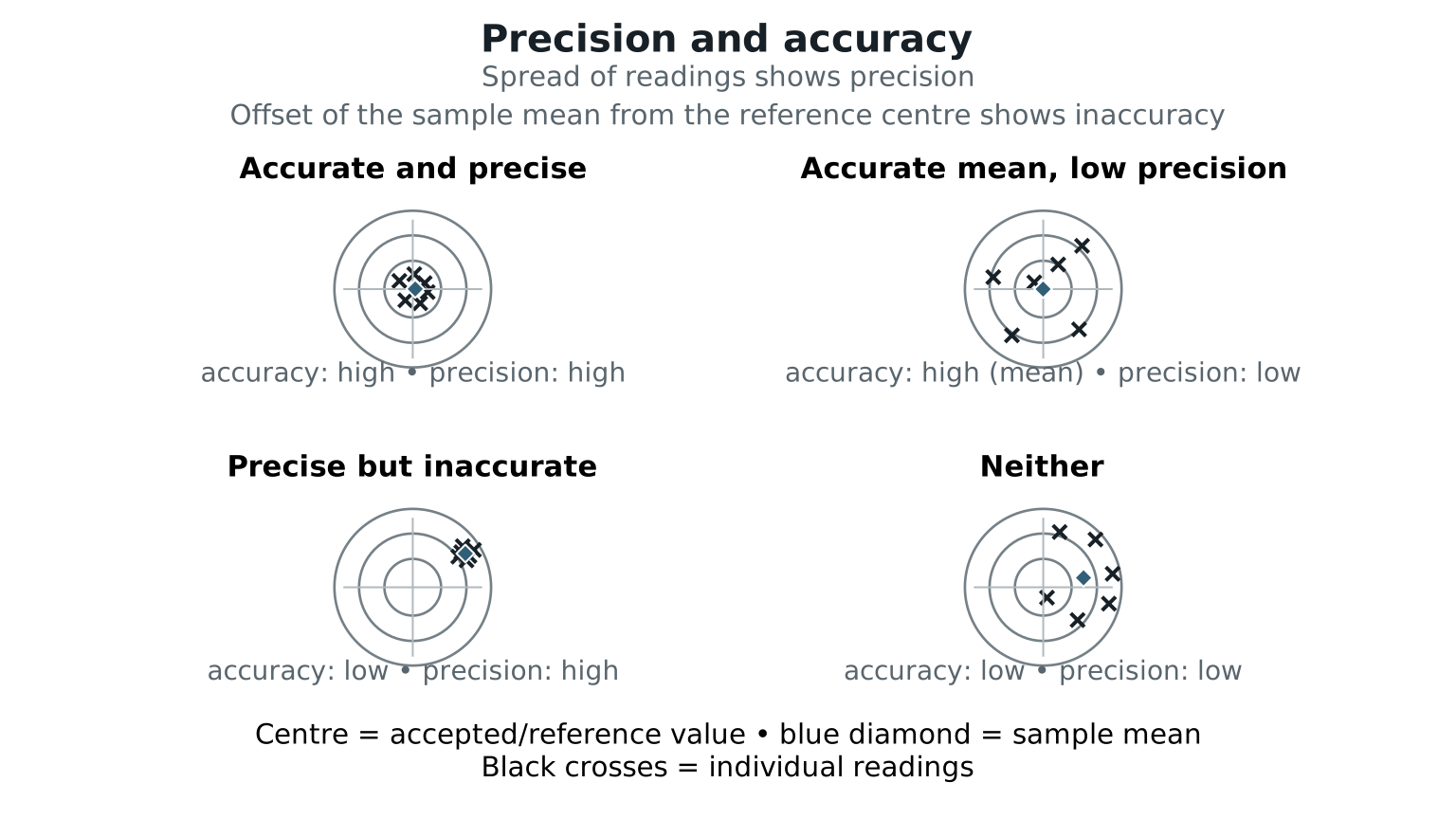
Figure: Use spread to judge precision and offset from the reference value to judge accuracy. Q11 tests the lower-left idea: readings can be close together but consistently displaced from the accepted value.
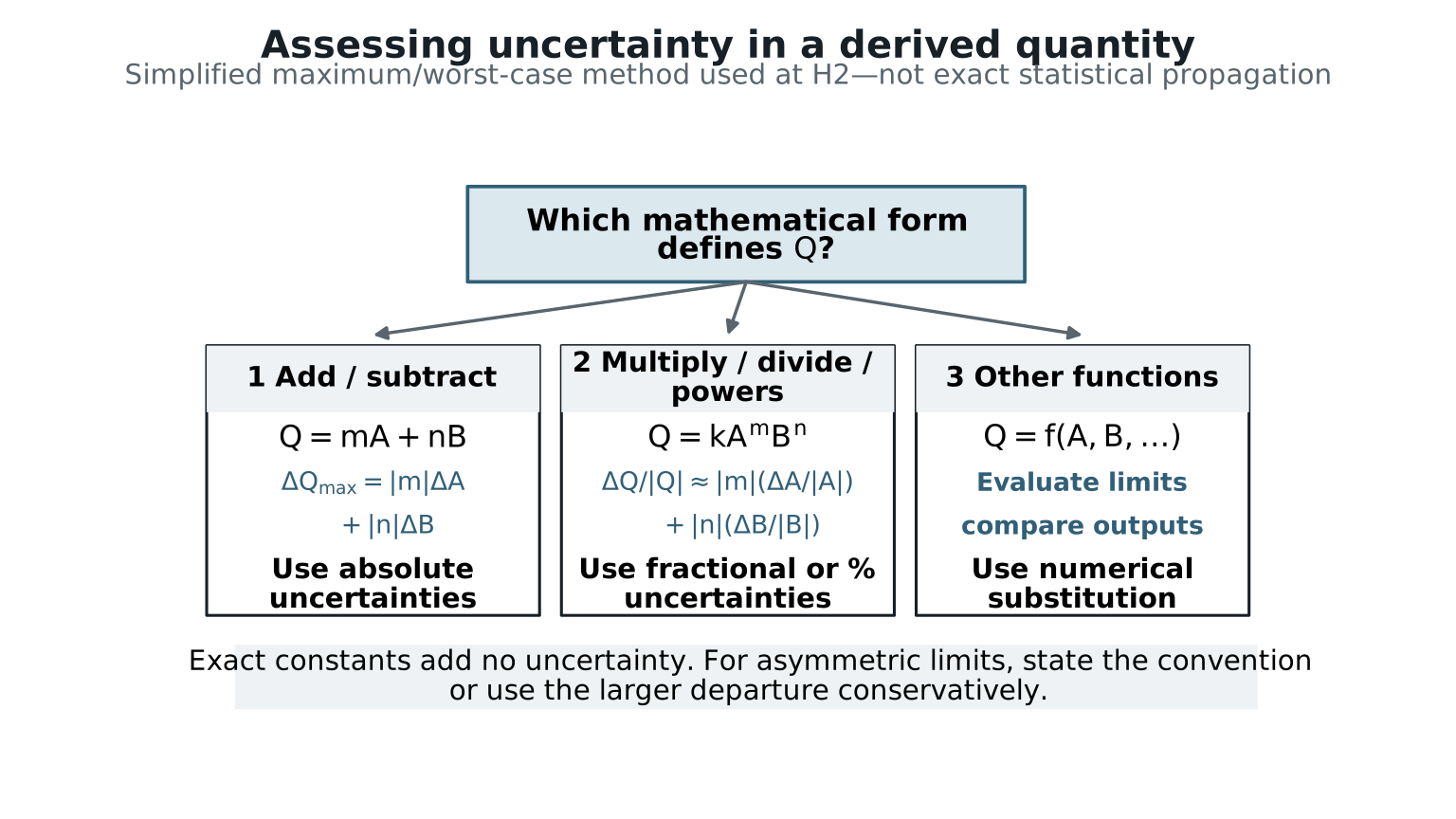
Figure: The uncertainty method depends on the mathematical structure of the calculated quantity. Q8 and Q13 use two different branches of this decision map: powers use percentage uncertainties, while subtraction uses absolute uncertainties.